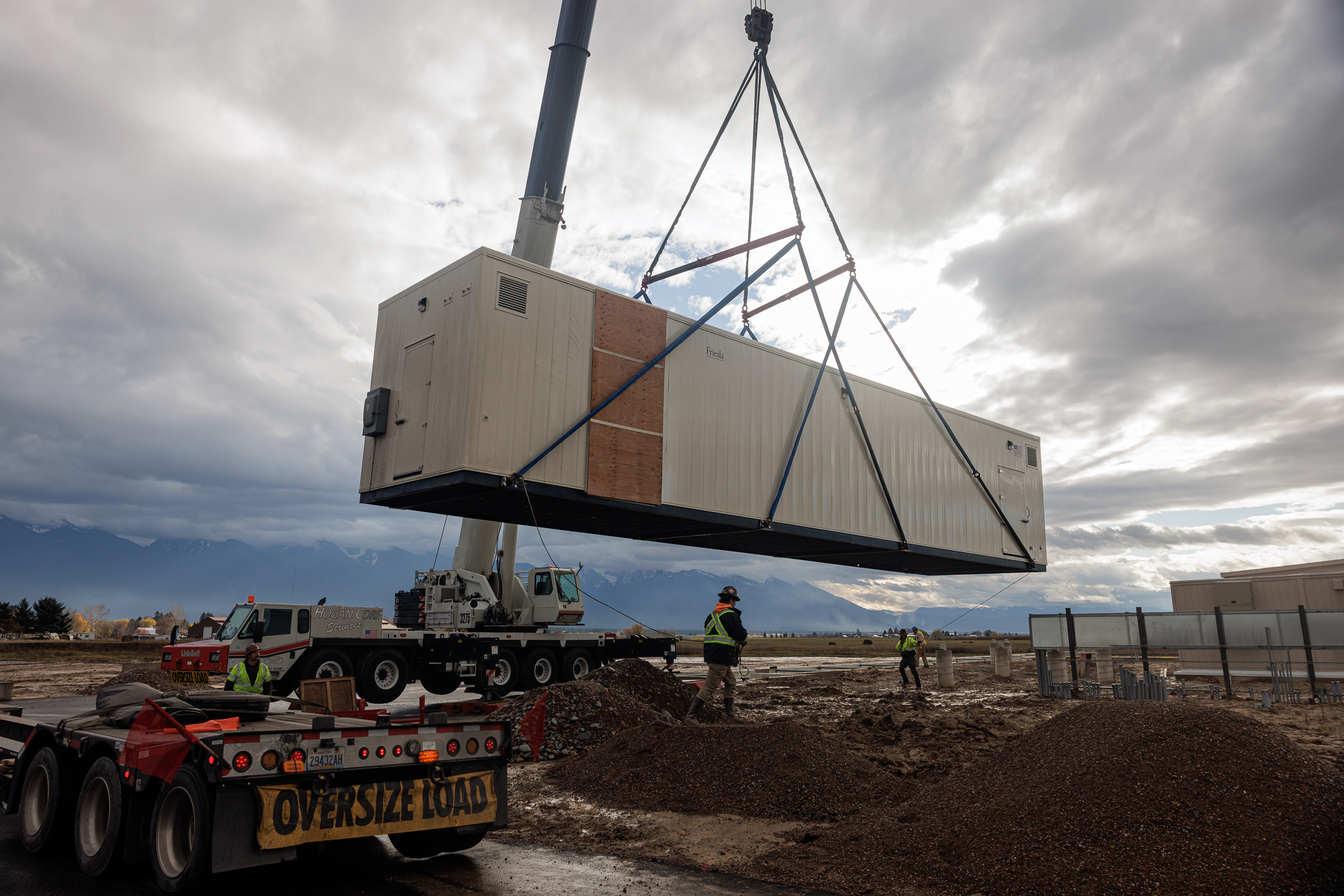
When most people think of meat processing plants, they picture a building made of concrete or cinder block, where an animal goes in and meat comes out. But a brick-and-mortar facility is only one option. Mobile processing trailers and modular meat processing systems give producers and processors other ways to build a plant around their business, site, and processing needs.
As demand for local, independent processing has grown, many operators have faced the same challenges: too much plant to start with, too much capital required up front, or not enough room to grow.
Some need a slaughter floor they can take to farms and ranches. Others need a complete processing plant or a way to expand an existing butcher shop. The right setup may be mobile, modular, brick-and-mortar, or a combination of all three.

The future of independent processing is flexible and customizable, built around processors and their communities. Choosing a plant starts with understanding what the business needs now and where it may go next—with options to expand capacity, add capabilities, or operate in a different location as those needs change.
MOBILE, MODULAR, AND BRICK-AND-MORTAR AREN’T COMPETITORS
Mobile Meat Processing
Mobile processing brings the slaughter floor to the livestock. For operators who travel between farms and ranches, slaughter trailers like Mobile Harvest Units can reduce the need to haul live animals and allow one unit to serve producers across a wider area. Refrigeration onboard allows harvested carcasses to be quick-chilled and transported to a separate facility for aging, cutting, and packaging—The Meating Place is a prime example.


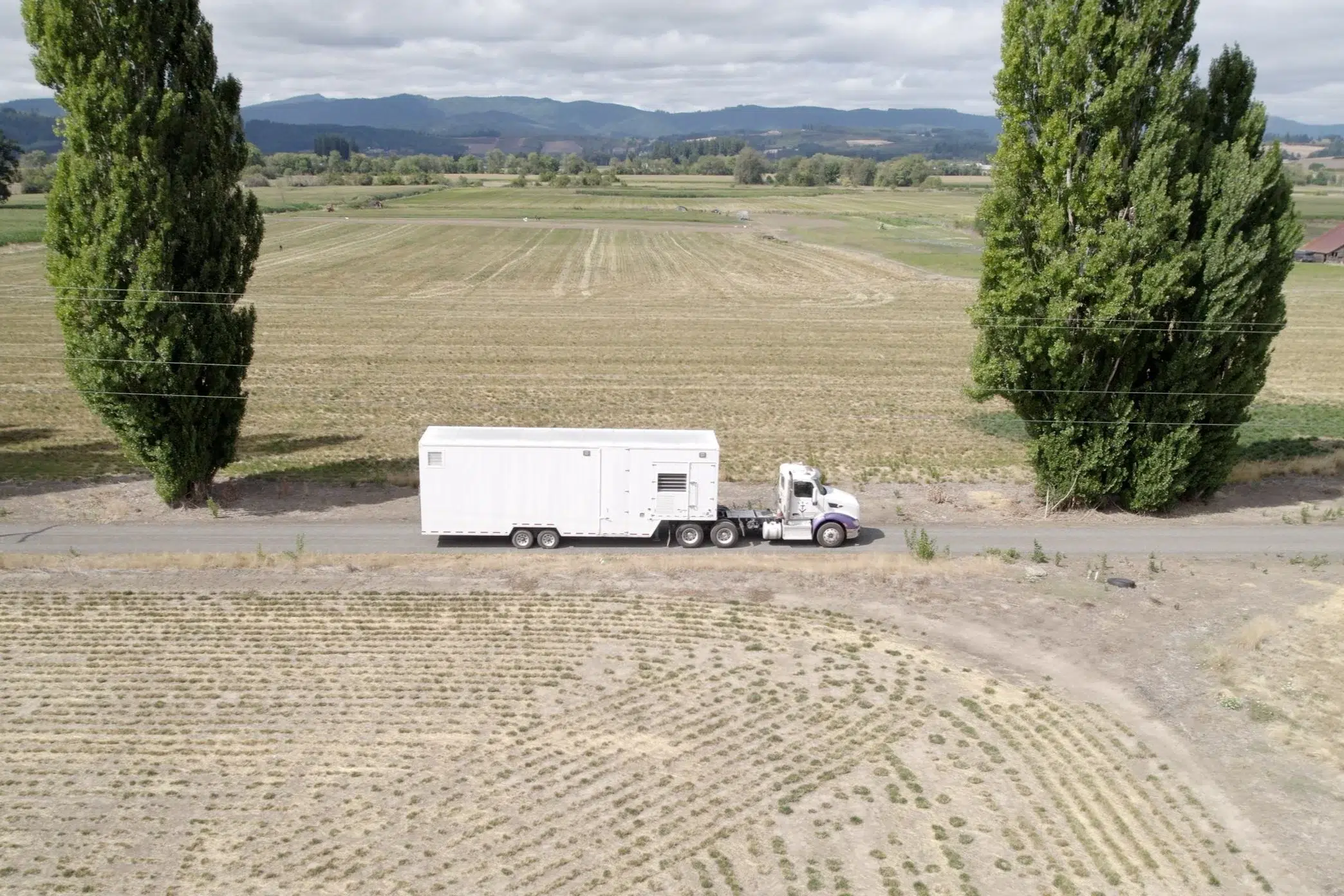


Friesla’s units combine a multi-species harvest room and Carcass Drawdown Cooler with the equipment needed to support onsite operations, including refrigeration, shore power hookups or a generator, water storage, and a water heater. This gives operators a self-contained slaughter floor without needing to build a dedicated harvest building.


Other operators, like Bear Mountain Beef, use a Mobile Harvest Unit at one location. An MHU can work alongside a conventional building, modular processing system, or butcher shop. For an established processor, adding an MHU can bring slaughter into the business while making use of the aging, cutting, and packaging space already in place.
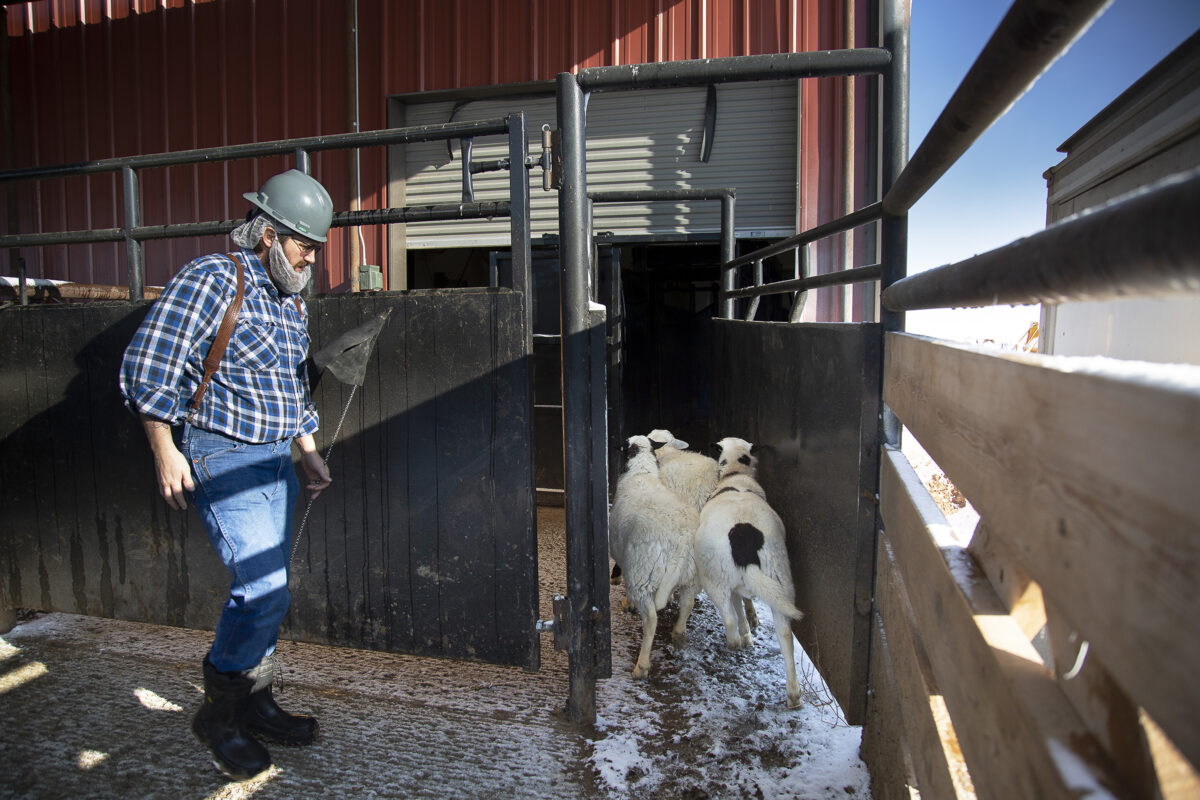
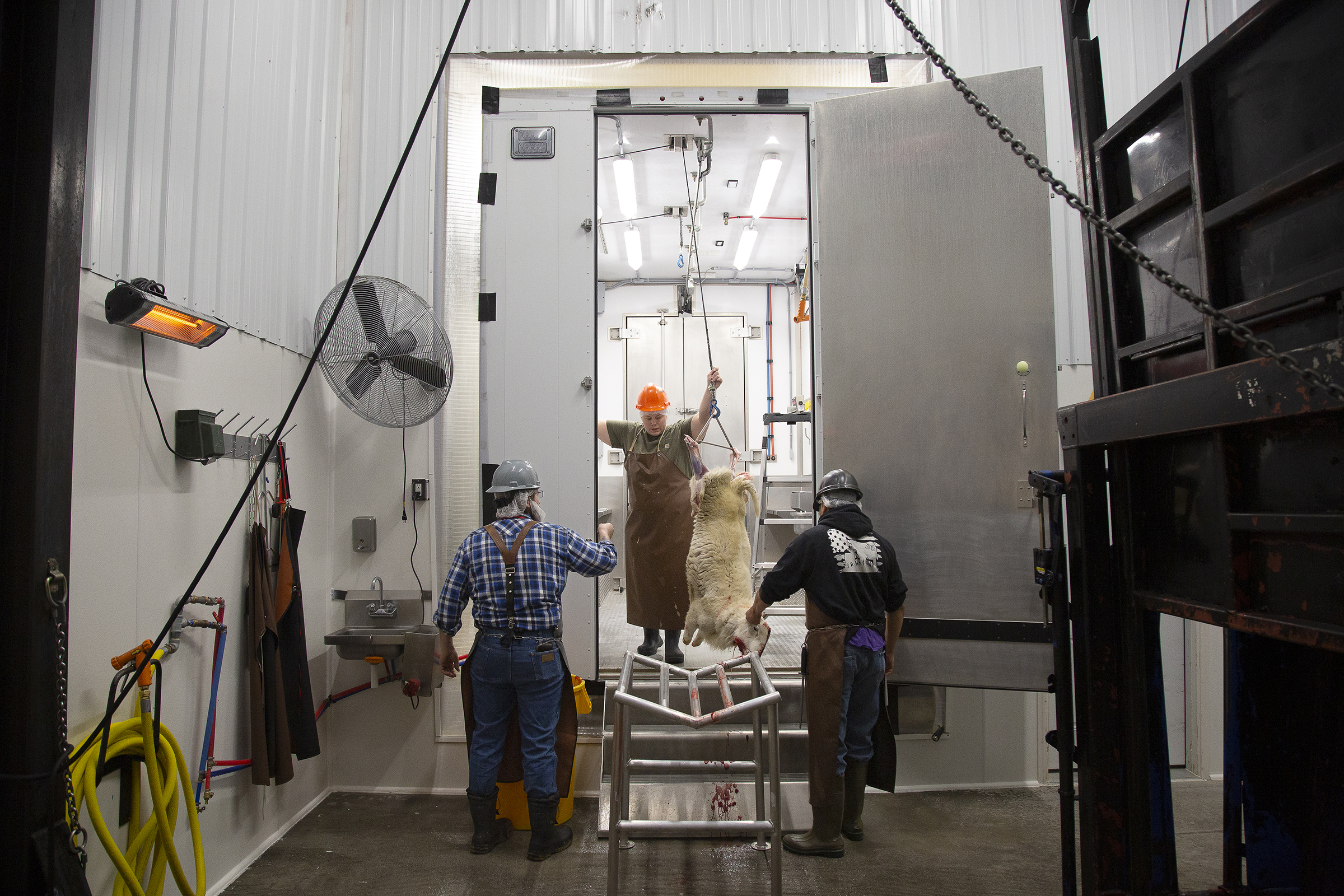

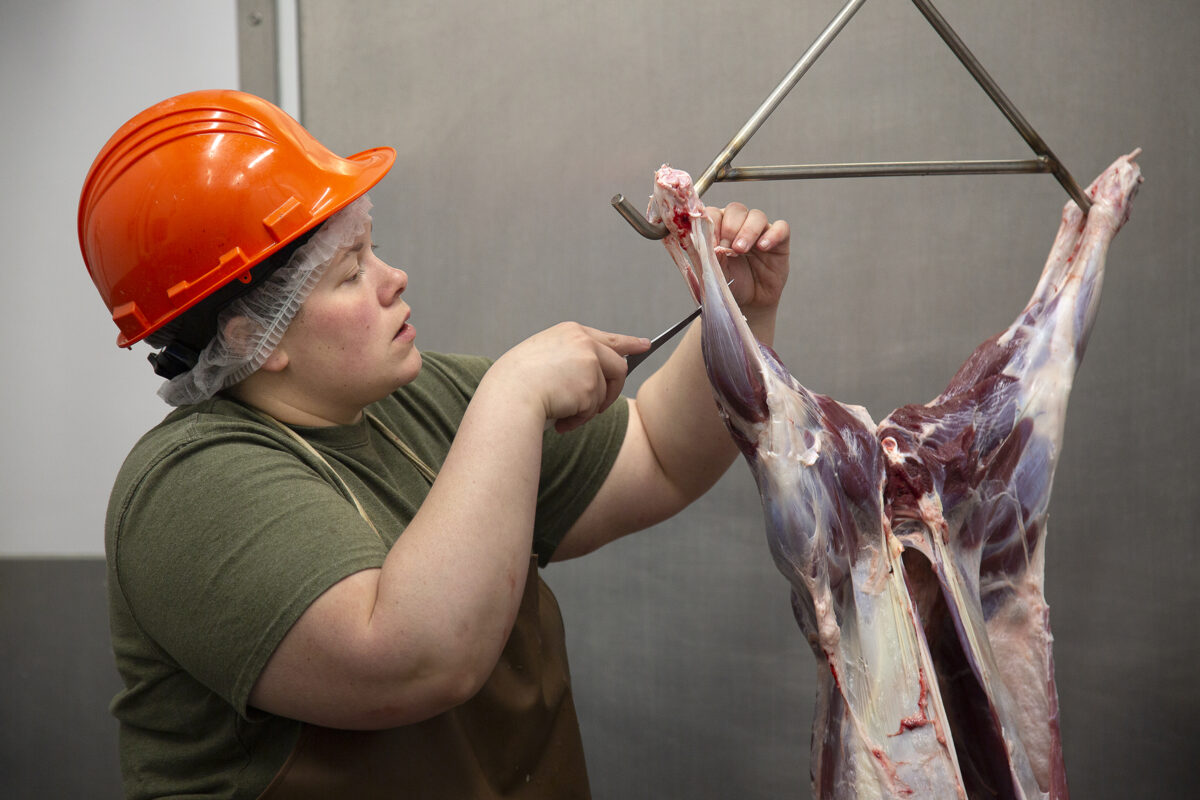
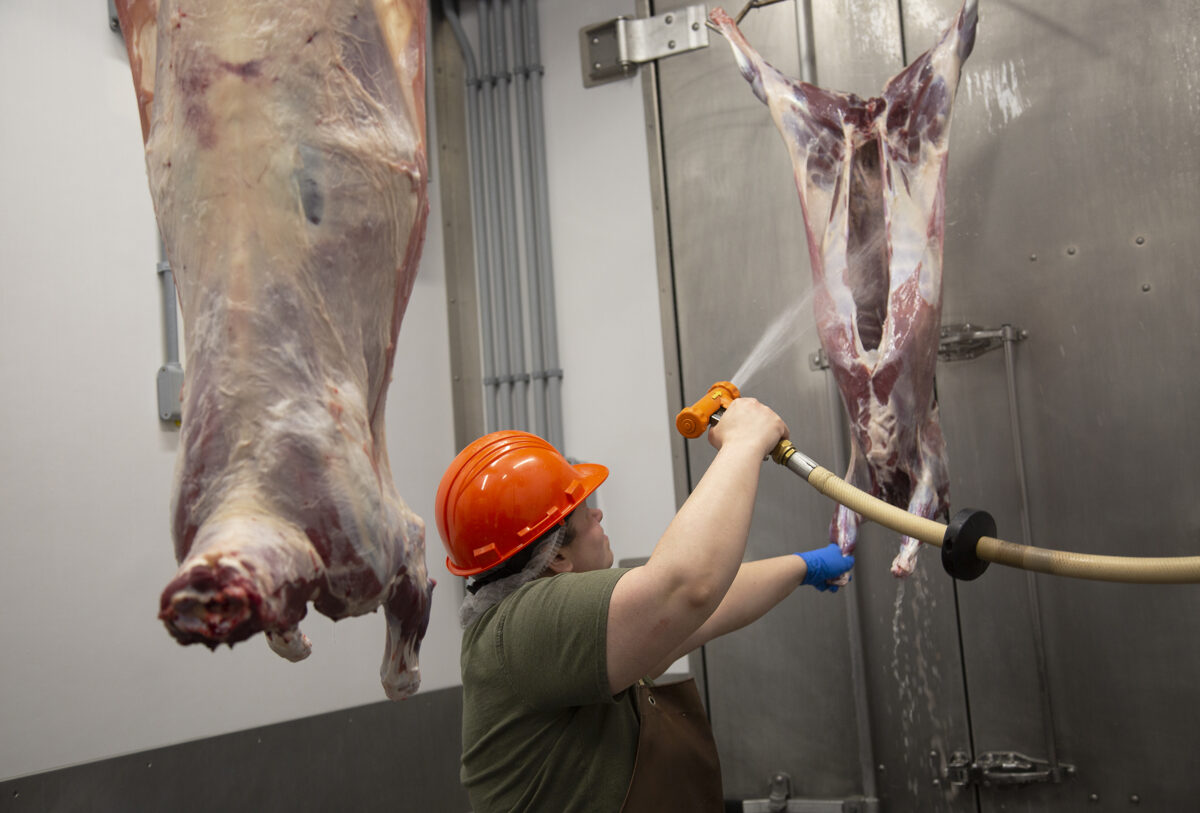
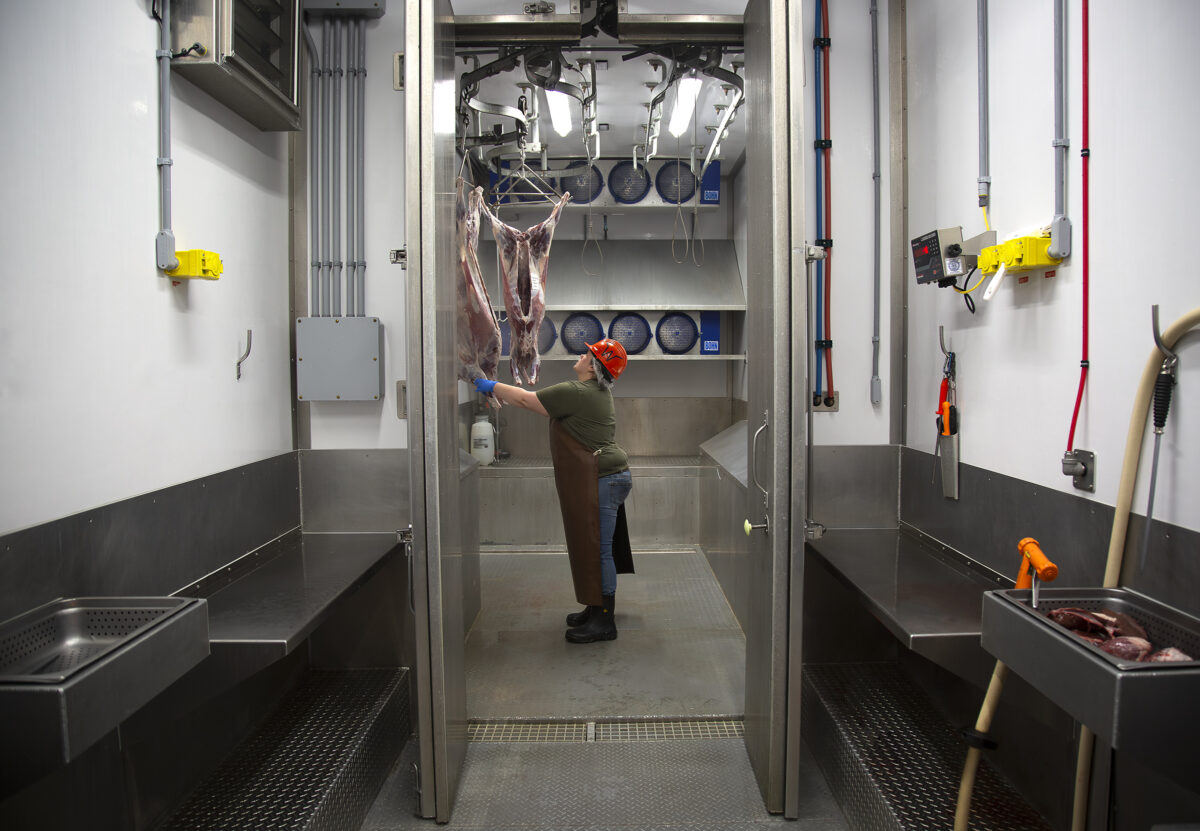
In some jurisdictions, a mobile slaughter trailer can offer a simpler approval path than building a permanent slaughter facility. The options depend on local zoning, permitting, and site requirements. Whether the unit travels or stays parked, the site still needs suitable access, potable water, and arrangements for wastewater and harvest waste.
Modular Meat Processing
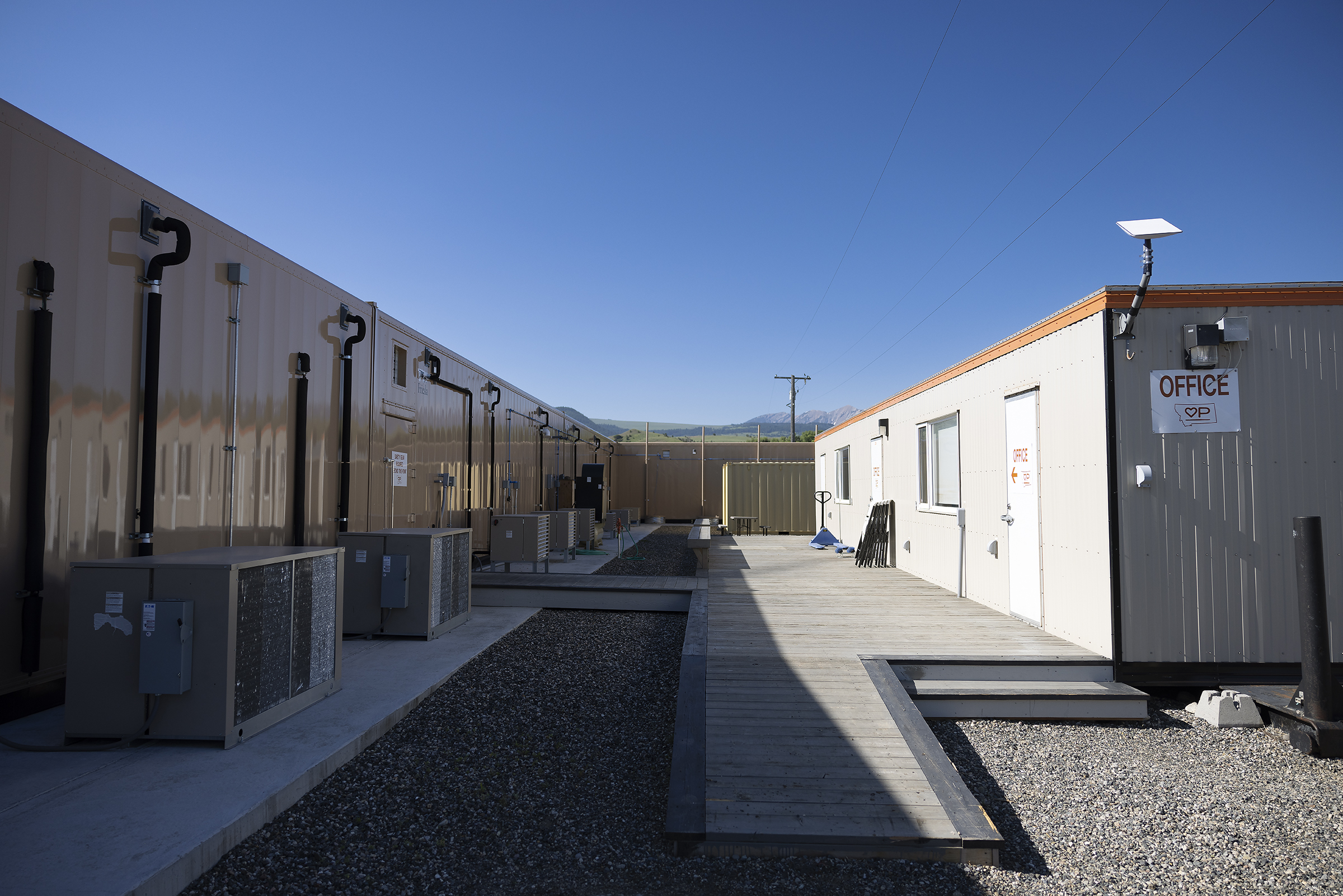
Modular processing breaks the plant into purpose-built, movable components, each dedicated to one stage of the workflow and built with expansion in mind:
- Livestock harvest
- Carcass aging
- Cutting and packaging (aka further processing)
- Finished goods freezing and storage
- Ready-to-eat (RTE) goods production
-
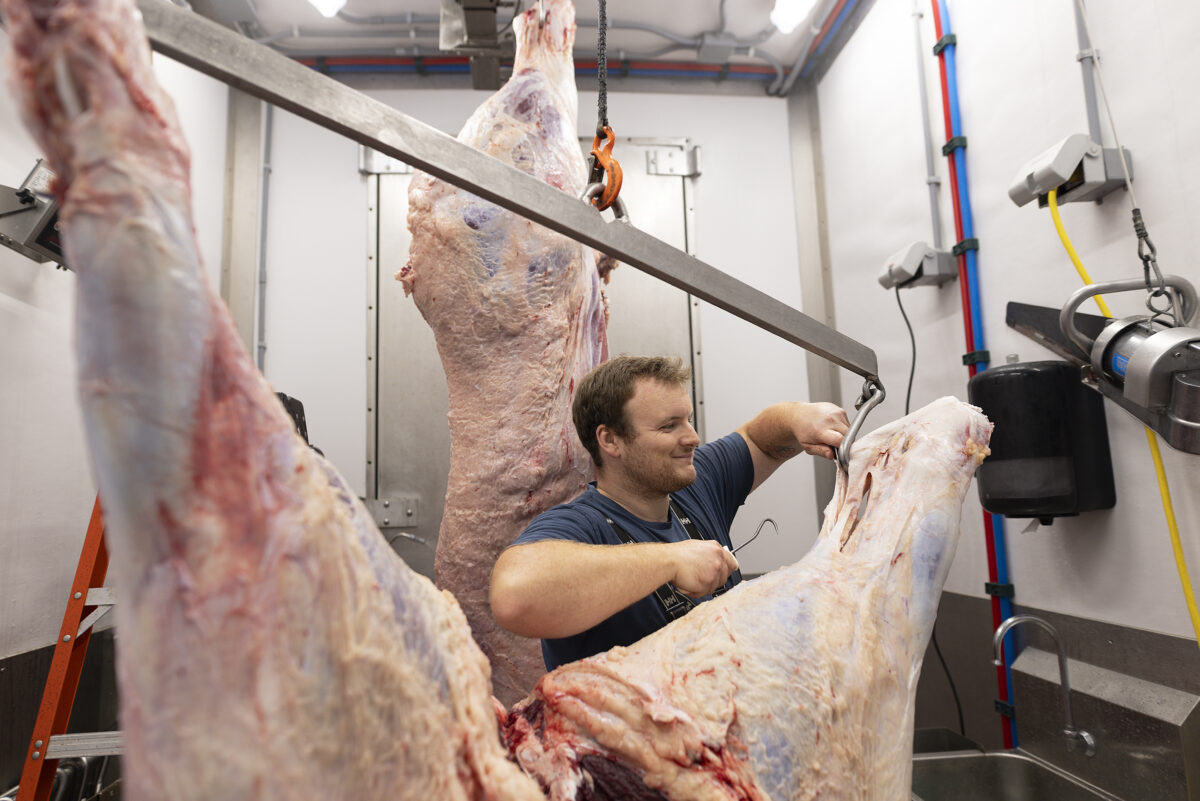
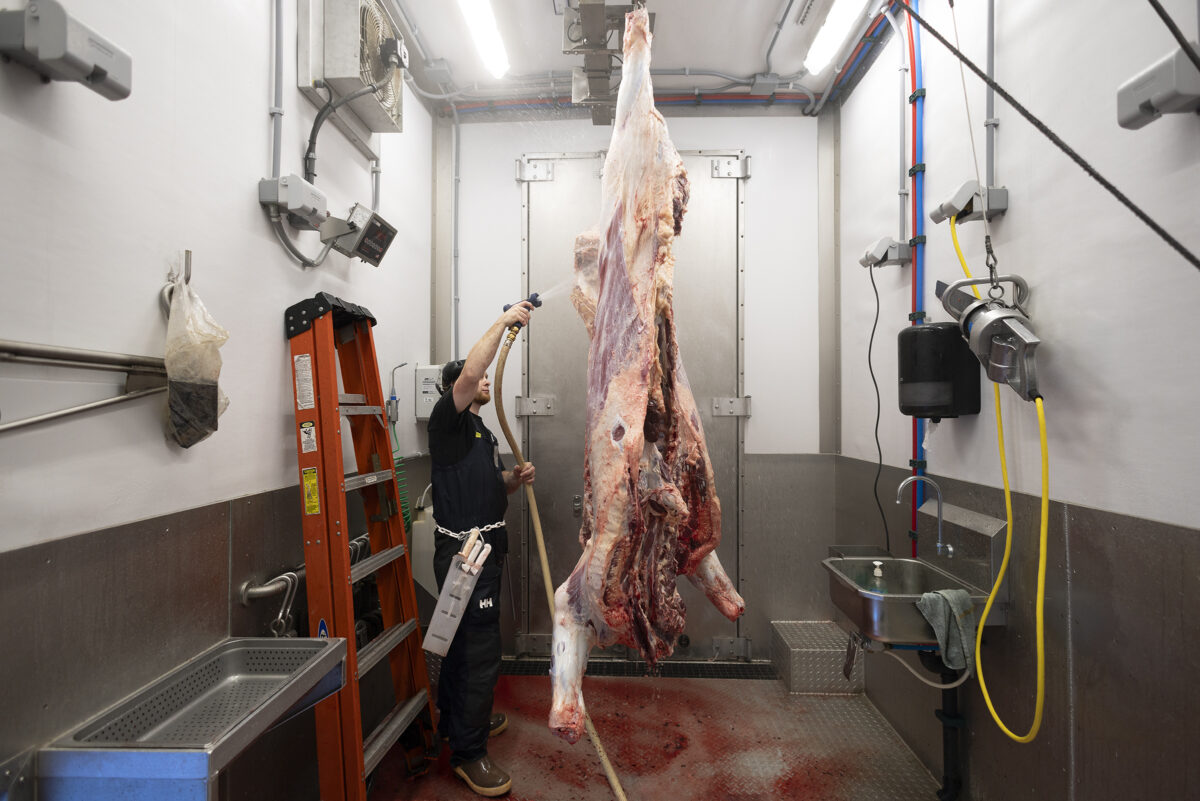
 An interior view of the Harvest Room inside a Friesla Harvest Module, which enables multi-species harvesting: bleeding, hide removal, evisceration, splitting, weighing, inspection, and washdown prior to hot carcass drawdown.
-
 An interior view of the Carcass Drawdown Cooler inside a Friesla Harvest Module, where the temperature of hot, freshly-harvested animal carcasses is reduced through quick cooling.
-
 An interior view of a Friesla Carcass Aging Cooler, where carcasses are cooled and dry-aged on a meat rail system prior to fabrication.
-
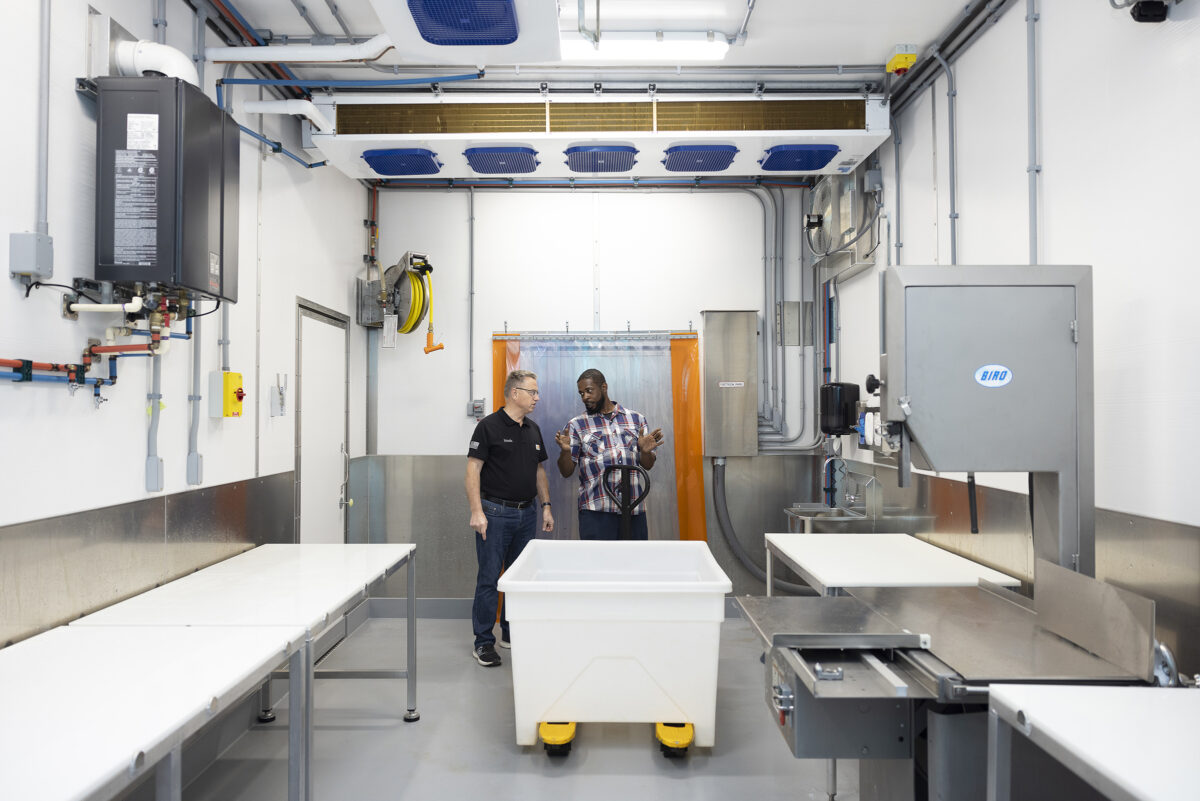
 An interior view of a Friesla Cut and Package Module, where chilled carcasses are fabricated into finished cuts, ground product, and packaged prior to cold or frozen storage and shipment to market.
-
 An interior view of a Friesla Ready-to-Eat Production Module, where finished cuts are smoked, dried and packaged prior to storage and shipment to market.
-
 An interior view of a Friesla Ready-to-Eat Production Module, where finished cuts are smoked, dried and packaged prior to storage and shipment to market.
-
 An interior view of a Friesla Finished Goods Cooler & Freezer, where fabricated and packaged products are chilled or frozen on shelving units or pallets before shipment to market.
This allows operators to configure modules around their workflow instead of buying a predetermined meat processing plant, then add more capacity or different components as the business grows or changes.
For example, a processor might add a Carcass Aging Cooler to increase hanging capacity, another Finished Goods Freezer for more storage, or a Ready-to-Eat Production Module to start making smoked or cooked products. Planning for these additions from the start gives operators room to expand without having to build the entire plant on Day One.
Modules can also be connected to an existing processing facility, rearranged to accommodate new equipment or added capacity, or relocated if the business moves to another site.



Brick-and-Mortar Meat Processing Facilities
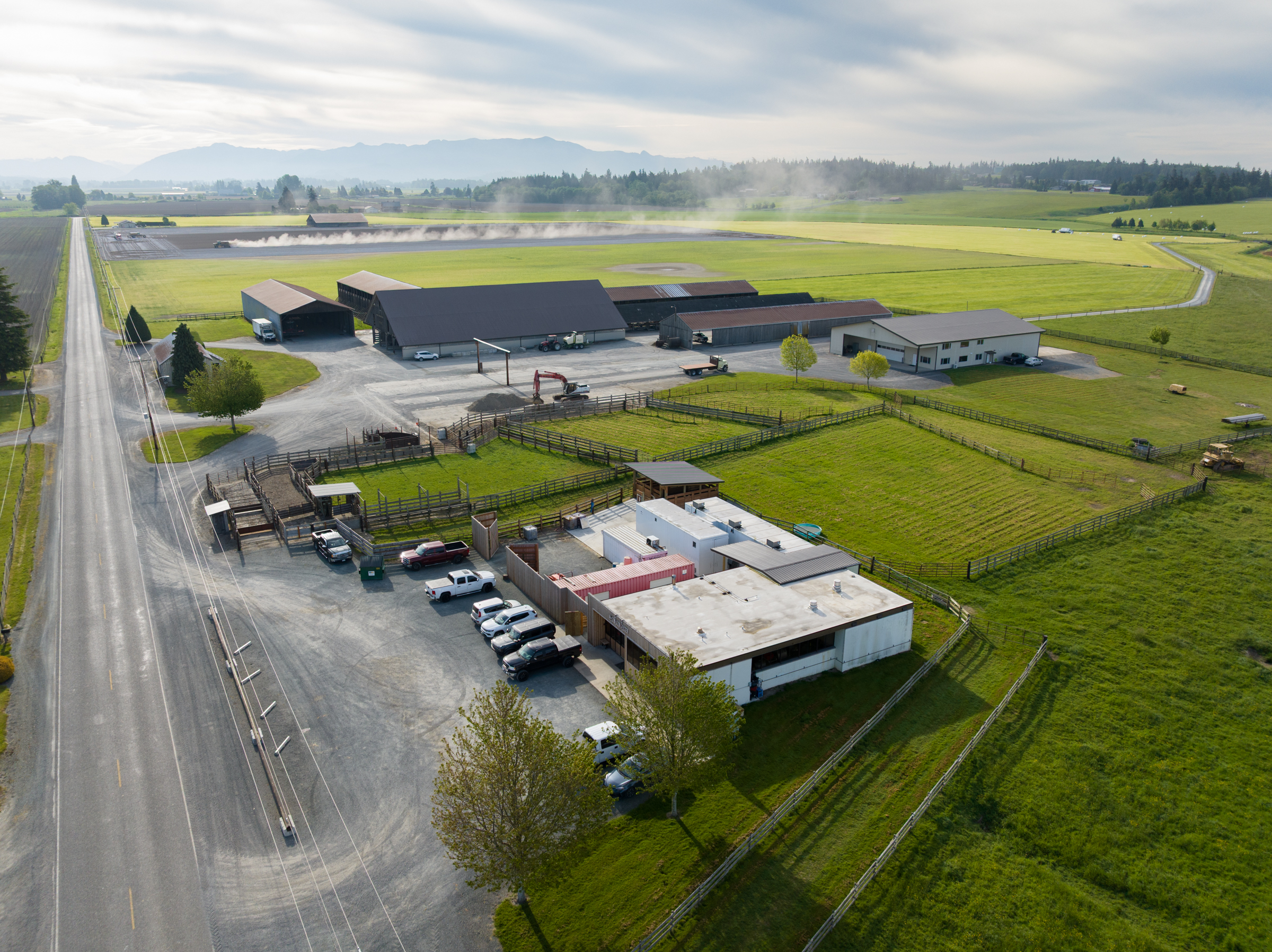
Brick-and-mortar facilities can accommodate a wide range of processing operations, from a small butcher shop to a large slaughter and processing plant. New construction can make sense when an operator wants a permanent facility with the processing areas, retail space, offices, and other functions designed together under one roof. For a business with a suitable building already in place, adapting or expanding that space may make sense.
Choosing mobile or modular doesn’t mean leaving a useful building behind.
Most of Friesla’s clients operate Very Small or Small federally inspected meat processing plants. Some start with a complete mobile or modular system. Others integrate a harvest unit, cooler, or processing module into an existing building. Choosing mobile or modular doesn’t mean leaving a useful building behind.

How Processors Combine These Options
The businesses we’ve worked with show how these options come together:
- The Meating Place (Oregon): Added an MHU to harvest livestock at a nearby farm and transport carcasses back to its existing butcher shop. Mobility also gave them the option to establish additional harvest locations.
- MTXBeef (Texas): Purchased a preowned modular system, had it relocated to their property, and began processing their own cattle. The owners chose the system for its shorter startup timeline, ability to expand, and Friesla’s support.
- Little Colorado Meats (Arizona): Started their USDA-inspected processing business with a Friesla Mobile Harvest Unit for slaughter and Modular System for further processing.
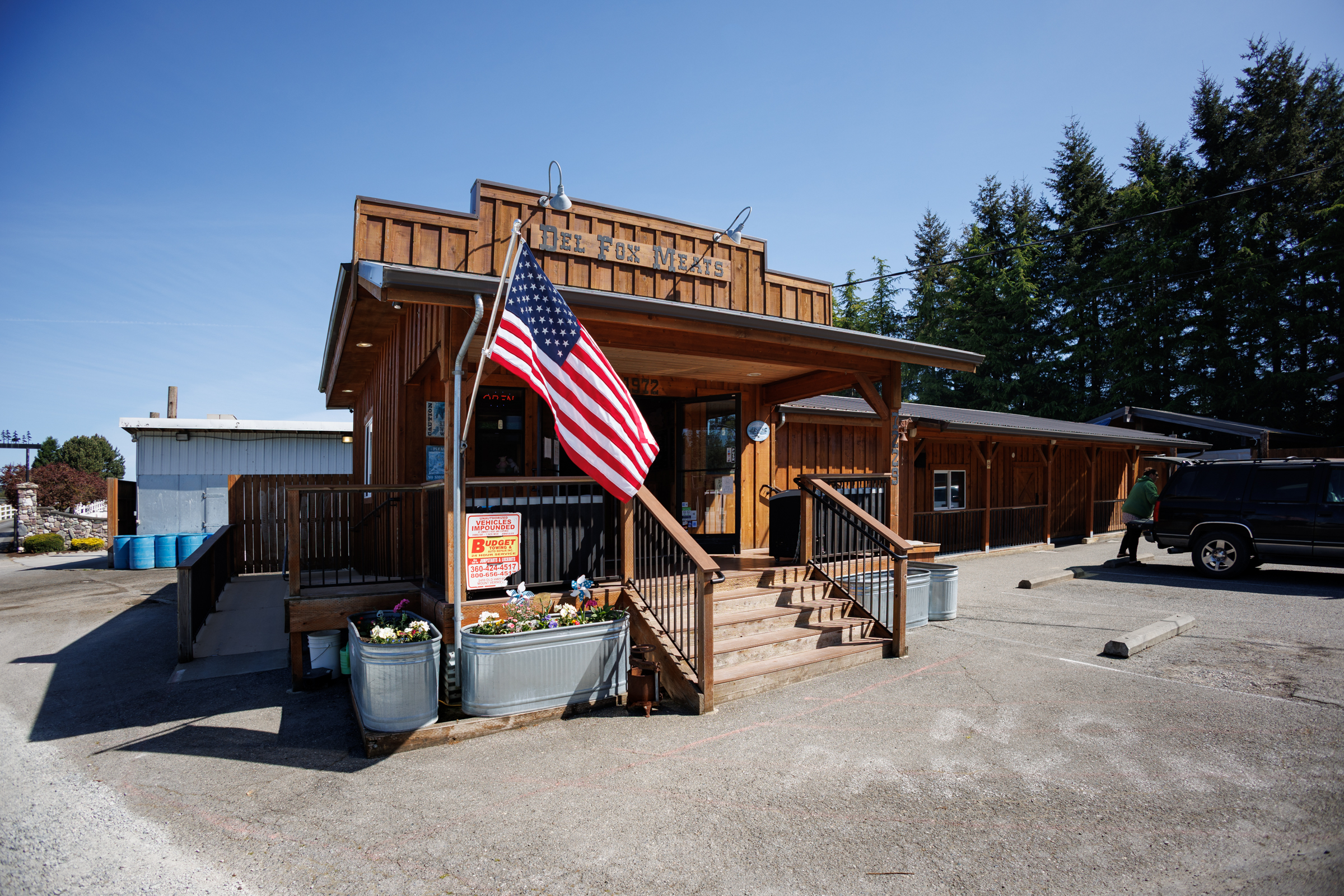
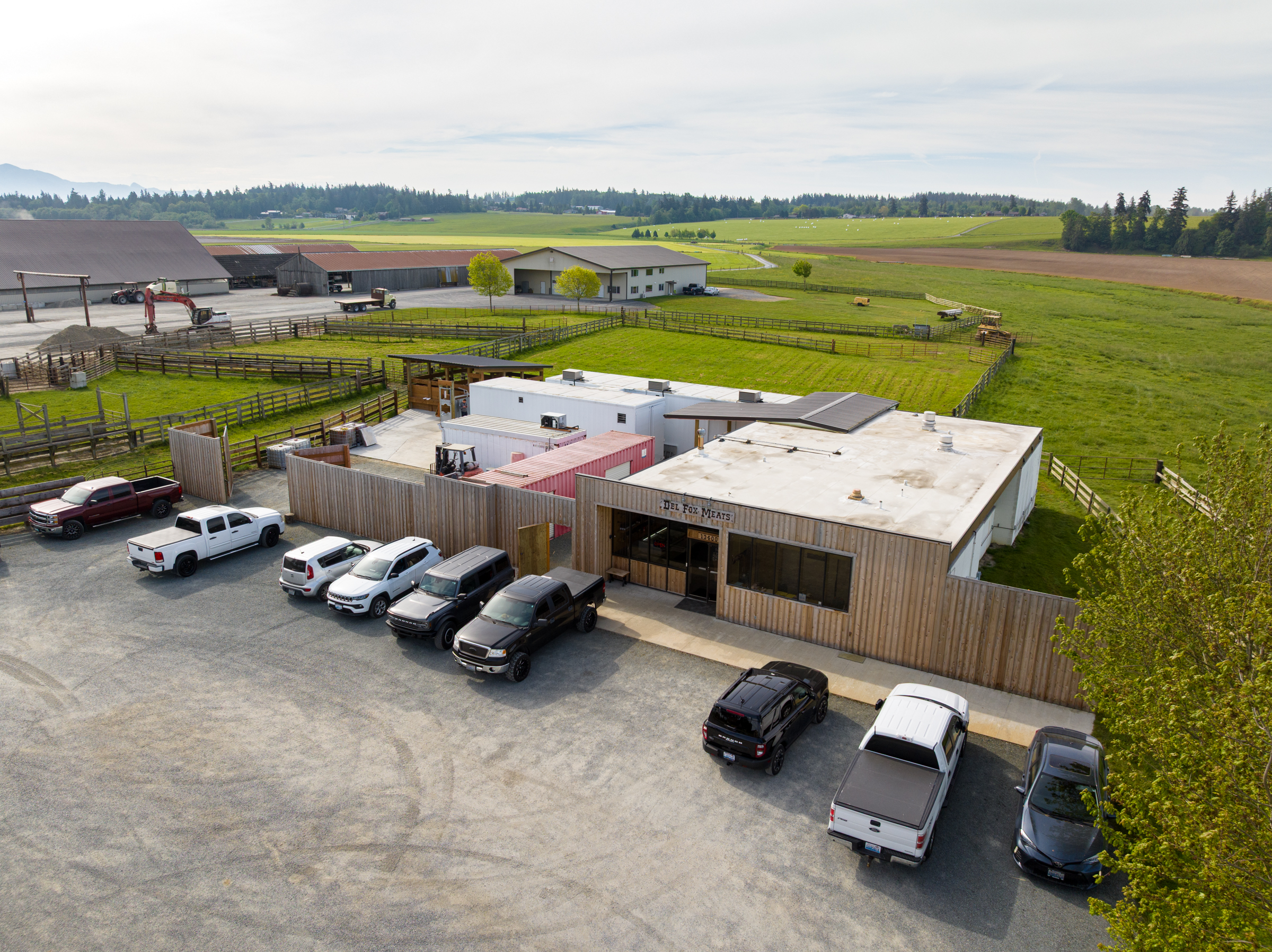
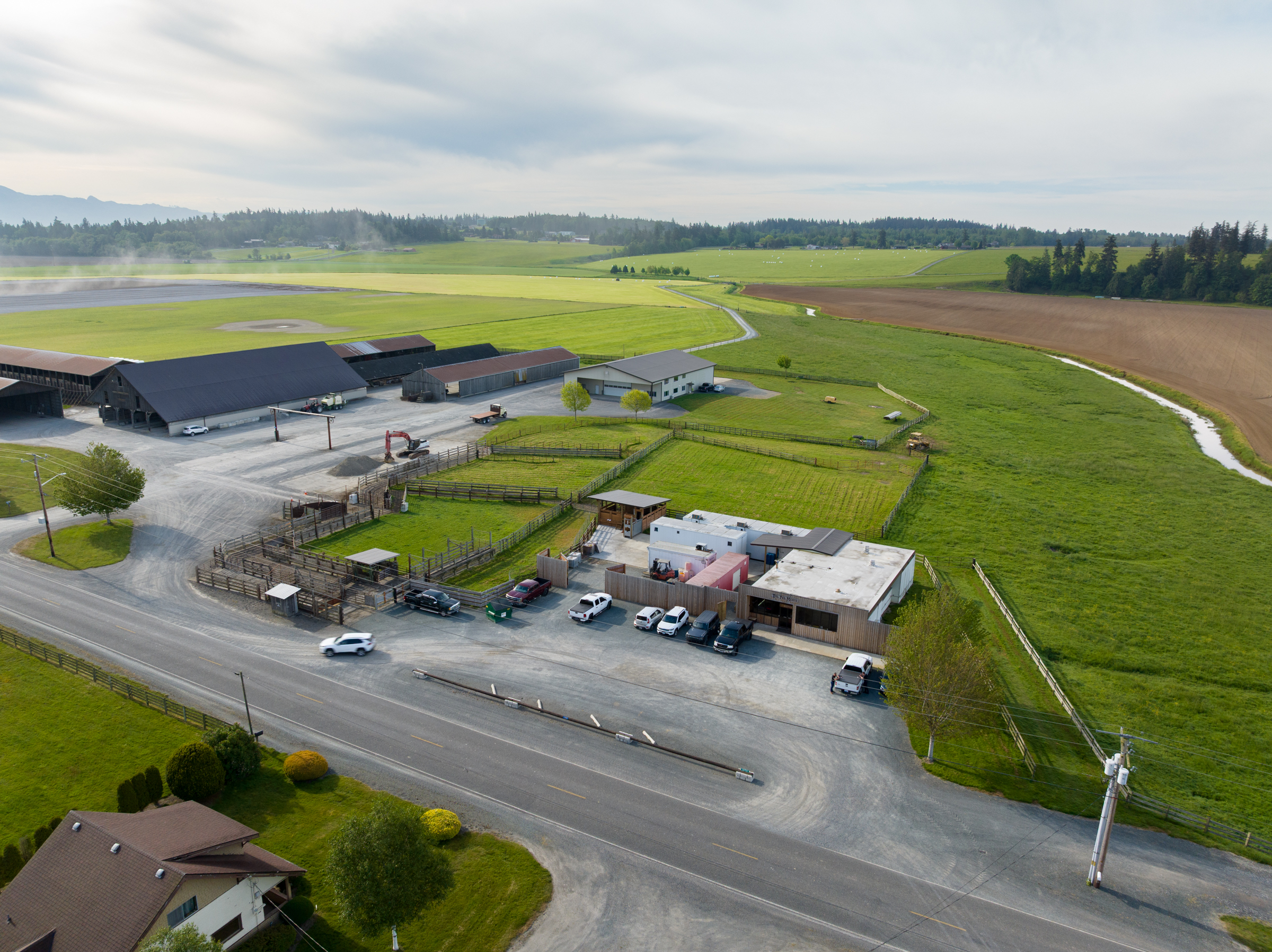
- Del Fox Meats (Washington): Operated a mobile slaughter truck for onsite slaughter, did custom-exempt further processing in a tin building, and added a retail store. When the owners decided to expand, they leased a second facility and added a Friesla Harvest Module and Carcass Aging Cooler for USDA-inspected operations.


HOW FRIESLA GOT HERE
Our founder, Bob Lodder, came to meat processing from an outside perspective—through a manufacturing background and the rise of USDA-inspected mobile slaughter units in the mid-2000s.

As Bob sold Mobile Harvest Units across the country, operators began asking for help with what came next: training their teams, getting the business running, and aging, cutting, and packaging meat after harvest. They wanted to process on a smaller scale, but needed more than a slaughter trailer.
“What if we could do all of this in a tough, high-quality modular format, put a meat processing plant in every county, and provide the support to get up and running?”
Bob Lodder, Founder & President of Friesla
Bob’s question became: what if we could do all of this in a tough, high-quality modular format, put a meat processing plant in every county, and provide the support to get up and running?

Following the success of the MHU as an alternative to the traditional slaughter floor, Friesla expanded into modules for the other stages of processing, built with the durability that meat processing requires.
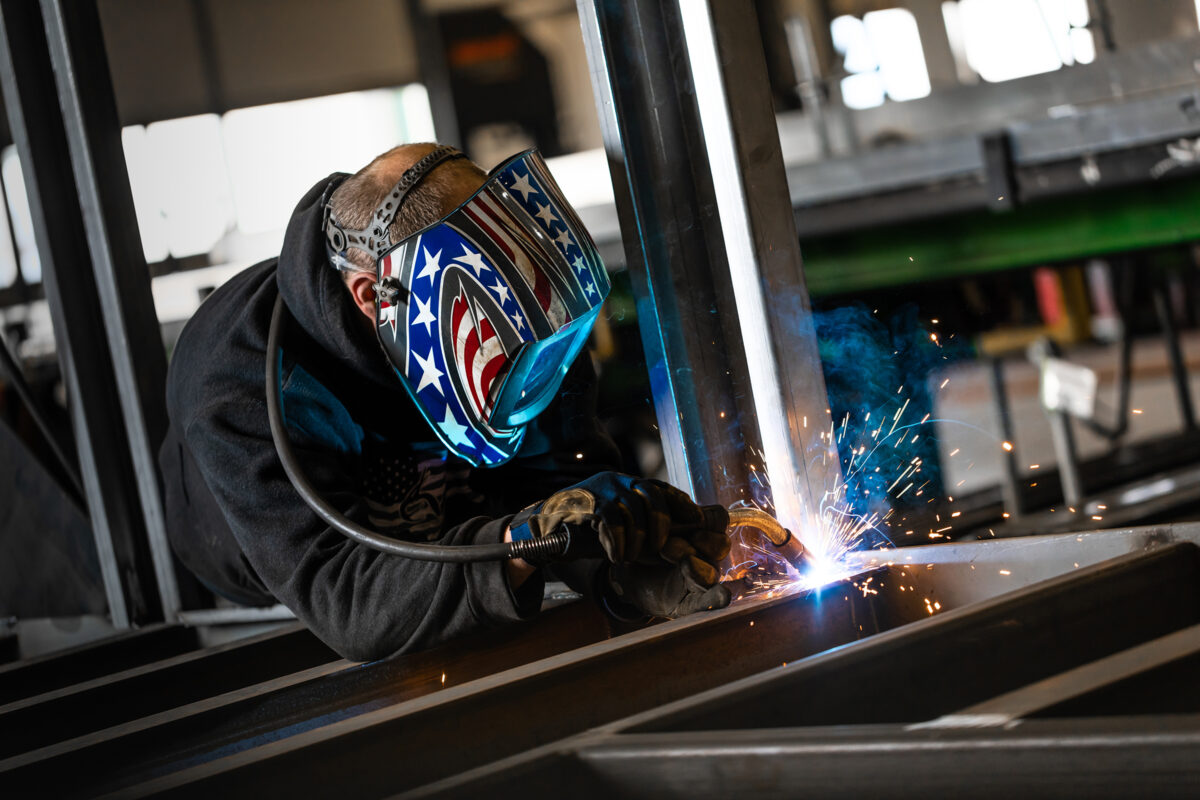
Instead of retrofitting shipping containers or existing trailers, Friesla works with our manufacturing partner to design and purpose-build each MHU and Module in the USA to a client’s specifications. The layout, workflow, and equipment are built for meat processing from the start.


START WITH THE BUSINESS, THEN DESIGN THE MEAT PROCESSING PLANT
Many people come to Friesla with a vision for what their business could be. But they don’t have to build this whole vision on Day One.
The initial investment depends on what the business already has and what its customers need. An established butcher shop may need a harvest unit to secure its supply of carcasses. A new processor may need harvest, aging, and cut-and-package space from the start.
Our advice: build for the work you can support, leave room for the next phase, and give the business time to build customers and cash flow. Planning ahead for space, utilities, and connections helps make later expansions more straightforward.
Working through these decisions is part of starting a meat processing business. Which species will you process? How many animals per week? Will you process only your animals or for others? What space and equipment will you need to do this work?
Processors can phase their investment rather than paying for capacity they may not need yet.
Our advice: build for the work you can support, leave room for the next phase, and give the business time to build customers and cash flow. Planning ahead for space, utilities, and connections helps make later expansions more straightforward.


HELP GETTING THE PLANT UP AND RUNNING
You can build a small meat processing plant on your own—designing the layout, sourcing equipment, working out logistics, planning for staffing, navigating regulations, and choosing a business model. Plenty of people do. An experienced guide can help you work through these decisions and avoid costly mistakes during design and startup.
At Friesla, we help clients design their plant, lay it out on their property, navigate regulatory requirements, and develop their food safety and HACCP plans. Then we help install the equipment and train the team in the day-to-day work of running a meat processing business, from equipment operation and maintenance to butchering.


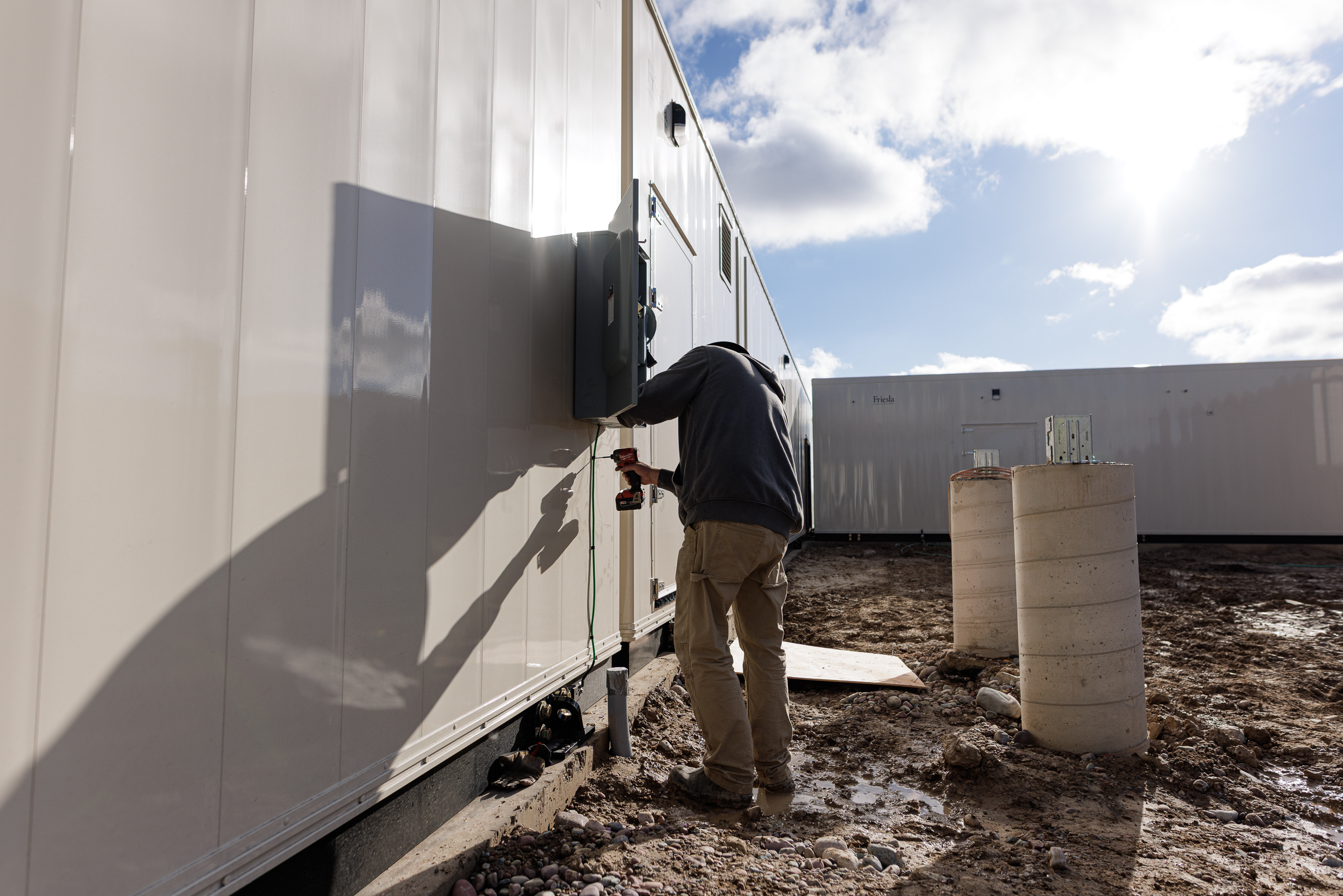

This support continues after startup. Our team remains available for questions, follow-ups, and periodic preventive maintenance.
“When you need help, you call a friend. We’re that friend.”
Bob Lodder, Founder & President of Friesla
We’ve put systems in place across the USA, spanning both coasts. Our approach is the same everywhere: take exceptionally good care of each client and be a resource to call when they need support. As Bob says, “When you need help, you call a friend. We’re that friend.”


BUILT AROUND YOU
There’s no single way to build a processing business. You may be starting from scratch, adding slaughter to a butcher shop, or making room for more animals and new products.
Mobile, modular, brick-and-mortar, or any combination—the right meat processing plant fits the work you’re doing now and leaves room for what comes next.
If you’re weighing those options, talk with our team. We’ll help you work through what fits your business and site.